Have you looked at your heating bill and wondered whether there is help available before the coldest months set in? The Low Income Home Energy Assistance Program, known as LIHEAP, exists to ease exactly that pressure. It helps households cover the cost of staying warm when budgets are stretched thin. Understanding how the program works, who qualifies, and when to apply can make the difference between a manageable season and a stressful one.
Why Heating Assistance Matters More Than You Might Expect
Energy costs are one of the few household expenses that spike precisely when you have the least flexibility to absorb them. A cold snap can push a monthly gas bill from routine to alarming in a matter of weeks. For households already balancing rent, groceries, and medical costs, that swing creates real risk.
LIHEAP addresses a basic safety concern, not just a financial one. Keeping a home warm enough to avoid frozen pipes, illness, or dangerous indoor temperatures is a health matter. The program treats energy assistance as part of a household’s stability rather than an optional perk.
What LIHEAP Actually Covers
Many people assume energy assistance applies only to a single monthly payment, but the program is broader than that. LIHEAP can help with heating costs, cooling costs during extreme heat, and in some situations the repair or replacement of unsafe heating equipment. It can also provide crisis help when a household faces an imminent shutoff.
The amount you receive depends on your income, household size, fuel type, and local climate. Some households see a one-time credit applied to their account, while others qualify for additional support during an emergency.
Forms Of Support You May Receive
- A benefit applied directly to your heating or gas account to reduce the balance owed
- Crisis assistance when a disconnection notice has already arrived
- Help with cooling costs in regions where summer heat poses a health risk
- Repair or replacement of a furnace or other heating system deemed unsafe
Who Qualifies For Gas Bill Help
Eligibility centers on household income, but the thresholds are not as narrow as many people assume. Programs generally measure your income against a percentage of federal poverty guidelines or a share of the state median income, whichever a given area uses. A household earning a modest wage can still fall within the limits, especially with children or older adults present.
Priority often goes to households with the highest energy burden relative to income, as well as those including seniors, young children, or people with disabilities. If you have received other forms of public assistance, you may already meet the income test automatically.
Common Factors That Affect Your Approval
- Total household income compared to the limit used in your area
- The number of people living in the home
- Whether a vulnerable member such as a senior or infant lives there
- Your heating fuel type and the size of your recent energy bills
- Participation in programs that establish automatic eligibility
The Documents You Will Need To Apply
Applications move faster when your paperwork is complete, and incomplete submissions are a common reason for delay. Gathering your records before you begin saves a return trip and reduces the chance of missing a deadline. Think of this step as the single most controllable part of the process.
Most offices want to verify who lives in your home, how much the household earns, and what you are currently paying for energy. Having recent bills on hand matters, because they help determine the size of your benefit.
Items To Prepare Before You Start
- Proof of income for everyone in the household, such as pay stubs or benefit statements
- A recent gas, electric, or heating fuel bill showing your account number
- Identification for the applicant and Social Security numbers for household members
- Proof of address, such as a lease or mortgage statement
- Documentation of any public assistance you already receive
How The Application Process Works
Energy assistance is administered locally, so the exact steps vary by where you live. In most areas you apply through a community action agency, a social services office, or a dedicated online portal. Some locations accept phone applications, and many offer in-person help for anyone who finds the forms confusing.
Once you submit, expect a review period that can range from a few days to several weeks depending on demand. If approved for standard heating assistance, the benefit is often paid directly to your utility or fuel provider rather than to you. That arrangement keeps the help tied to the bill it was meant to cover.
Timing Your Application Before Funds Run Low
LIHEAP is funded each season with a fixed pool of money, and that pool does not always last until spring. In colder regions, application windows can fill quickly once enrollment opens. Waiting until a bill becomes overwhelming can mean arriving after the available funds have been committed.
The practical lesson is to treat the opening of the heating season as your cue to act. Even if your bills feel manageable in early fall, applying when the window opens positions you ahead of the rush and protects you against a sudden cold-weather spike later.
Moments That Should Prompt You To Act
- The seasonal application window has just opened in your area
- You have received a past-due notice or a shutoff warning
- Your income has recently dropped due to job loss or reduced hours
- A new household member has increased your heating needs
Pairing Assistance With Long-Term Savings
A benefit check helps with one season, but your heating costs return every year. The households that fare best treat energy assistance as one piece of a broader strategy rather than a standalone fix. Weatherization programs, budget billing plans offered by many utilities, and simple efficiency upgrades can lower what you owe over time.
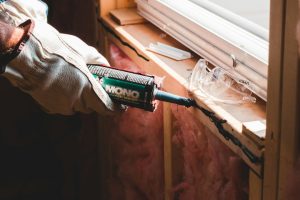
Consider the long-term value of sealing drafts, adding insulation, or servicing an aging furnace. Many of the same agencies that handle LIHEAP also connect households to weatherization help, which reduces the energy you waste and the assistance you need in future winters.
Steps That Reduce Future Energy Burden
- Enrolling in a level or budget billing plan to smooth out seasonal spikes
- Requesting a weatherization assessment to identify drafts and insulation gaps
- Scheduling routine maintenance so your heating system runs efficiently
- Replacing worn weatherstripping and sealing obvious air leaks yourself
Putting The Pieces Together Before Winter
Heating assistance works best when you approach it with a clear sense of your own situation. Knowing your income, your household size, and your typical winter bills lets you judge whether LIHEAP fits your needs and how urgently to apply. The program is designed to meet households where they are, from a modest account credit to emergency intervention.
Gas bill help and energy assistance are tools, and like any tool their value depends on how and when you use them. A household that prepares its documents, applies early, and pairs the benefit with efficiency improvements stands on firmer ground than one that waits for a crisis. The decision of when and how to act rests with you.