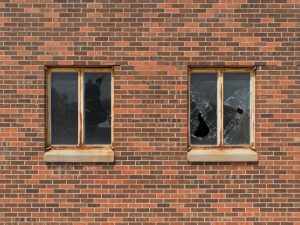
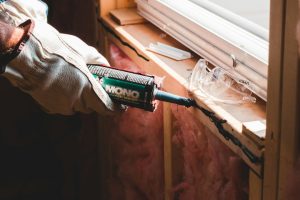
Have you noticed cold air seeping past a closed window, a stubborn haze trapped between two panes, or a hairline crack creeping across the glass? These are some of the most common household frustrations, and many of them can be solved without hiring anyone. Knowing which repairs suit a weekend project and which warrant a professional can save you money while protecting the long-term performance of your home.
Diagnosing the Real Problem First
Before buying materials, it helps to understand what you are actually dealing with. A draft, a foggy pane, and a crack each point to different failures, and treating the wrong one wastes time and money. Spend a few minutes inspecting the window on a cold or windy day, running your hand along the edges and watching for moisture or movement.
A draft usually signals worn weatherstripping or a gap in the frame. Fog between panes points to a broken seal in double-pane glass. A crack may be cosmetic or structural, depending on its spread. Matching the symptom to the cause keeps your repair focused and avoids over-correcting a minor issue.
Signs That Point to Each Issue
- Cold air near the sash or sill, often with higher heating bills, suggests a draft and failing seals.
- Cloudy or streaky haze that never wipes clean indicates a failed double-pane unit.
- A spreading crack that catches your fingernail may compromise the glass and needs prompt attention.
Sealing Drafts and Stopping Air Leaks
Drafts are the most budget-friendly problem to tackle, and they often deliver the quickest payback in comfort and energy savings. A good window draft seal can noticeably reduce how hard your furnace works during the coldest months. Most of the materials cost only a handful of dollars, which makes this an easy first project.
Start by cleaning the frame so new adhesive sticks properly. Replace brittle weatherstripping along the sash, and apply fresh caulk where the frame meets the wall. For older windows, a rope caulk or a removable seasonal film can bridge gaps without permanent changes.
Materials That Make Draft Sealing Easier
- Adhesive-backed foam or V-channel weatherstripping for the moving sash.
- Paintable silicone or acrylic caulk for stationary joints around the frame.
- Shrink-film insulation kits for single-pane windows in harsh winters.
- A utility knife and putty knife to remove old, cracked material cleanly.
Understanding and Fixing Foggy Windows
A foggy window fix is one of the more misunderstood repairs. The haze you see is condensation trapped inside a sealed double-pane unit after its seal fails, letting moisture work its way between the layers of glass. No amount of cleaning will remove it because the problem lives inside the sealed cavity.
You generally have two realistic paths. You can replace the insulated glass unit, often called the IGU, while keeping the existing frame, or you can replace the entire window. Swapping the IGU is far less expensive and preserves your current frame, though it requires careful measuring and ordering a matching unit.
What to Weigh Before Replacing the Glass
- The age and condition of the frame, since a sound frame favors glass-only replacement.
- The cost difference between a new IGU and a full window, which can be substantial.
- Whether multiple windows have failed, hinting at a batch of aging units.
- Your comfort with removing glazing stops and handling large panes safely.
Repairing Cracks and Small Breaks
A crack does not always mean full glass replacement. A short, stable crack in a single pane can be stabilized temporarily, and some small chips can be filled to stop them from spreading. The deciding factor is whether the crack threatens the integrity of the glass or simply looks unsightly.
For a temporary hold, clear repair tape or a dab of clear epoxy can bridge a hairline crack until a proper fix. For anything larger, or any crack in tempered or insulated glass, replacing the pane is the safer route. Tempered glass cannot be cut or patched and must be ordered to size.
When a Patch Is Enough Versus a Full Replacement
- Patch a short hairline crack in a stationary single pane that is not load-bearing.
- Replace the pane when the crack spans more than a few inches or branches outward.
- Replace any cracked tempered or safety glass rather than attempting a repair.
- Address cracks in exterior windows quickly to prevent water intrusion and rot.
Restoring Rotted or Damaged Frames
A failing frame undermines every other repair, so it deserves attention before you reseal or re-glaze. Wood frames are especially prone to rot where water collects along the sill, and soft, spongy wood signals decay that will keep spreading if ignored. Catching it early often means a simple patch rather than a full rebuild.
For minor rot, dig out the soft wood, treat the area with a wood hardener, and fill it with an exterior epoxy filler. Larger damage may require replacing a section of trim or the sill itself. Priming and painting afterward seals the repair and slows future moisture damage.
Tools and Costs to Plan For
Most of these repairs share a modest toolkit, and buying quality basics once pays off across many projects. A typical DIY window repair relies on hand tools you may already own, plus a few specialty items for glazing. Knowing the rough costs ahead of time helps you decide what is worth doing yourself.
Draft sealing often runs only a few dollars per window, while a new insulated glass unit can range from modest to several hundred dollars depending on size and coatings. Comparing those figures against the price of full replacement clarifies where your effort delivers the most value.
A Practical Starter Kit for Window Work
- Caulking gun with paintable exterior caulk and a tube of clear silicone.
- Putty knife, glazier’s points, and glazing compound for pane work.
- Measuring tape, utility knife, and a reliable set of gloves.
- Wood hardener and epoxy filler for frame and sill repairs.
Knowing When to Call a Professional
Some situations simply favor expert help, and recognizing them protects both your safety and your home’s value. Large panes, upper-floor windows, and any glass that must be ordered to exact tolerances can be difficult to handle alone. A botched glass replacement can crack again or leak, erasing any savings from doing it yourself.
Structural frame rot, windows that no longer open or lock, and widespread seal failures across the house often point toward replacement rather than repair. A professional assessment can tell you whether patching makes sense or whether new units offer better long-term value. That judgment is worth seeking when the stakes rise.
Weighing Repair Against Long-Term Value
Deciding how far to take a window repair comes down to balancing cost, comfort, and how long you plan to stay in your home. A quick draft seal or glass swap can extend the life of an otherwise sound window for years at a fraction of replacement cost. Those small investments add up across a house full of aging windows.
At the same time, repeated failures, rising energy bills, and dated single-pane glass may signal that upgrades offer more lasting return. Each repair you take on builds the knowledge to judge the next one. The right choice depends on your budget, your timeline, and the condition of the windows in front of you.